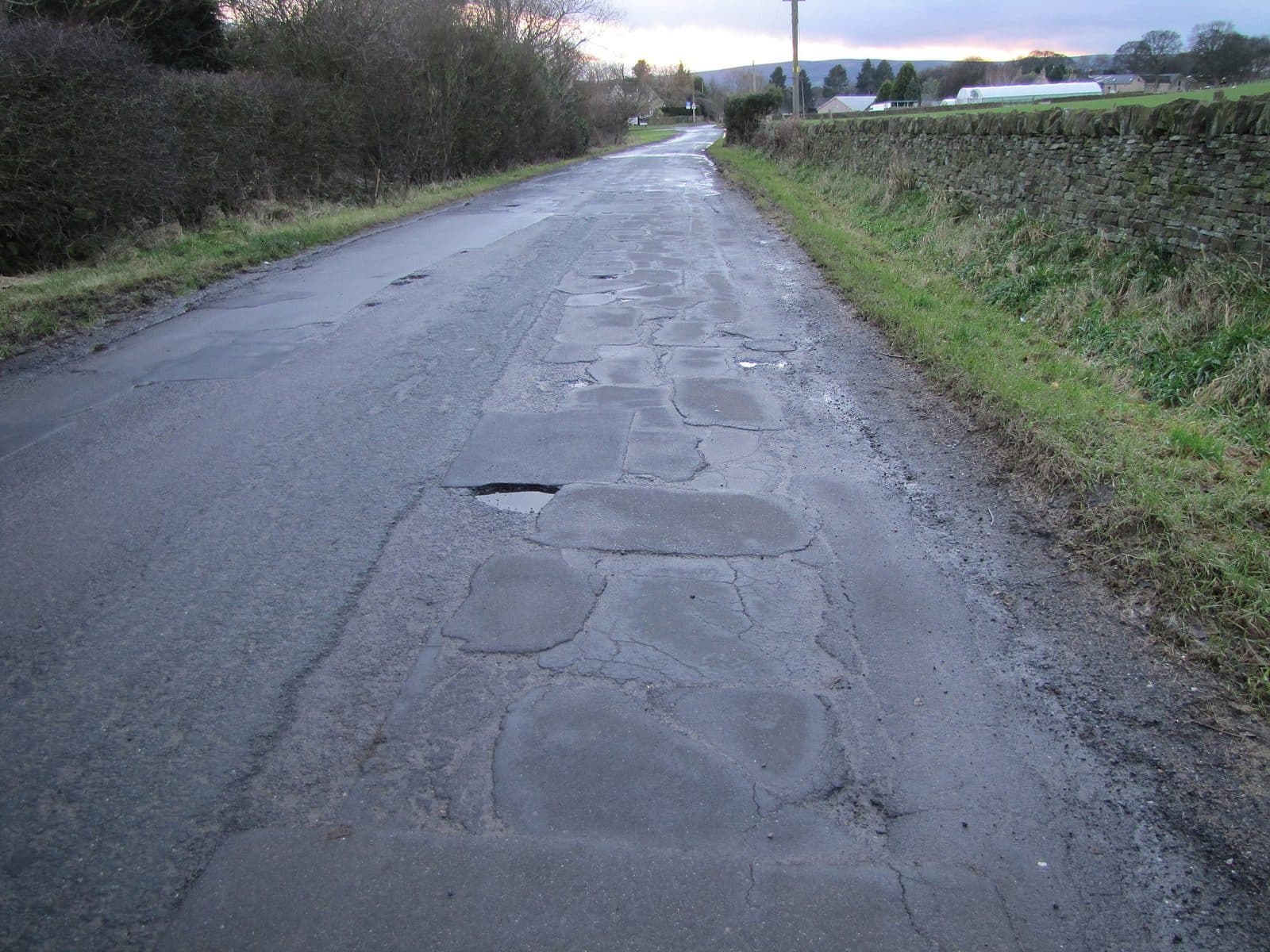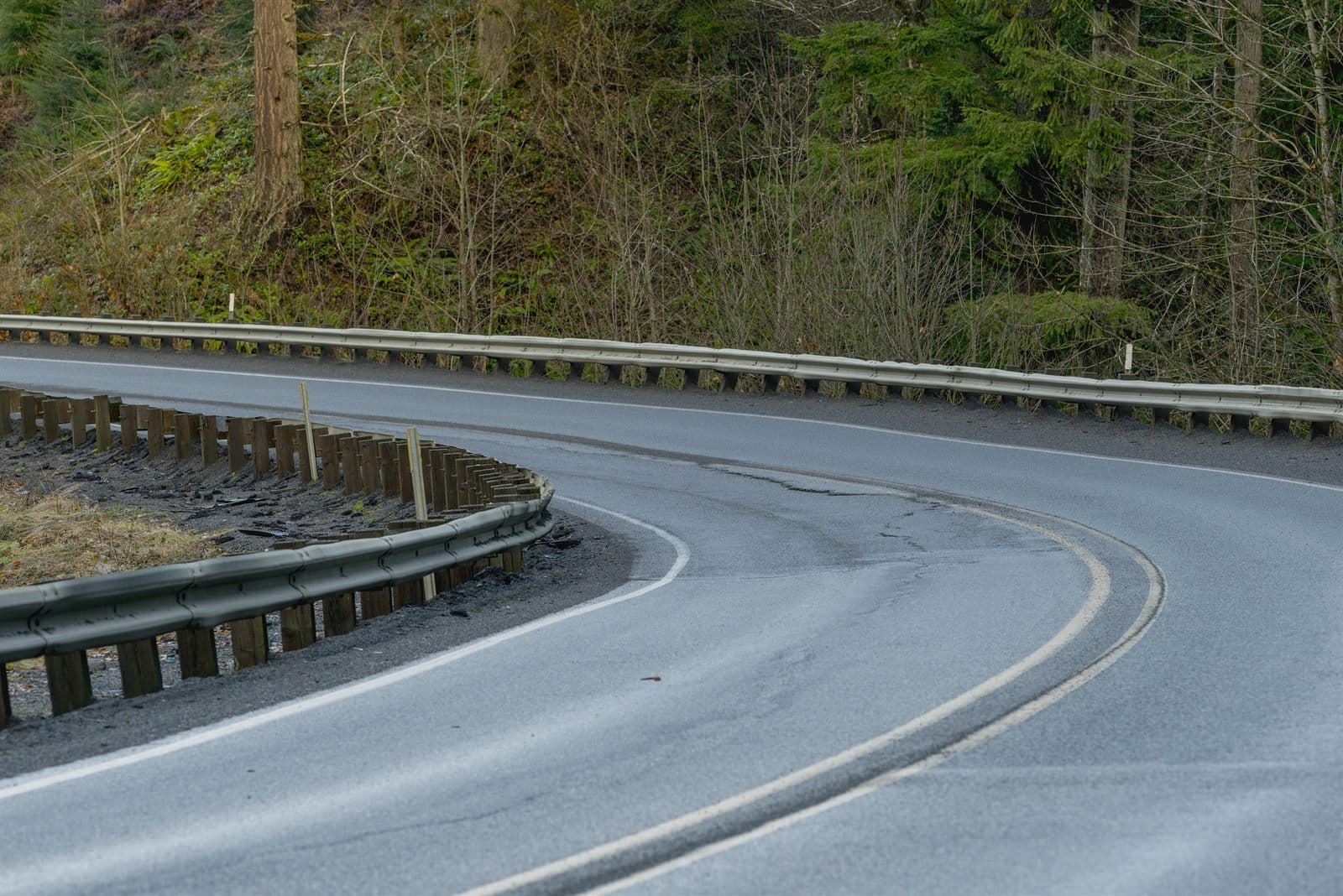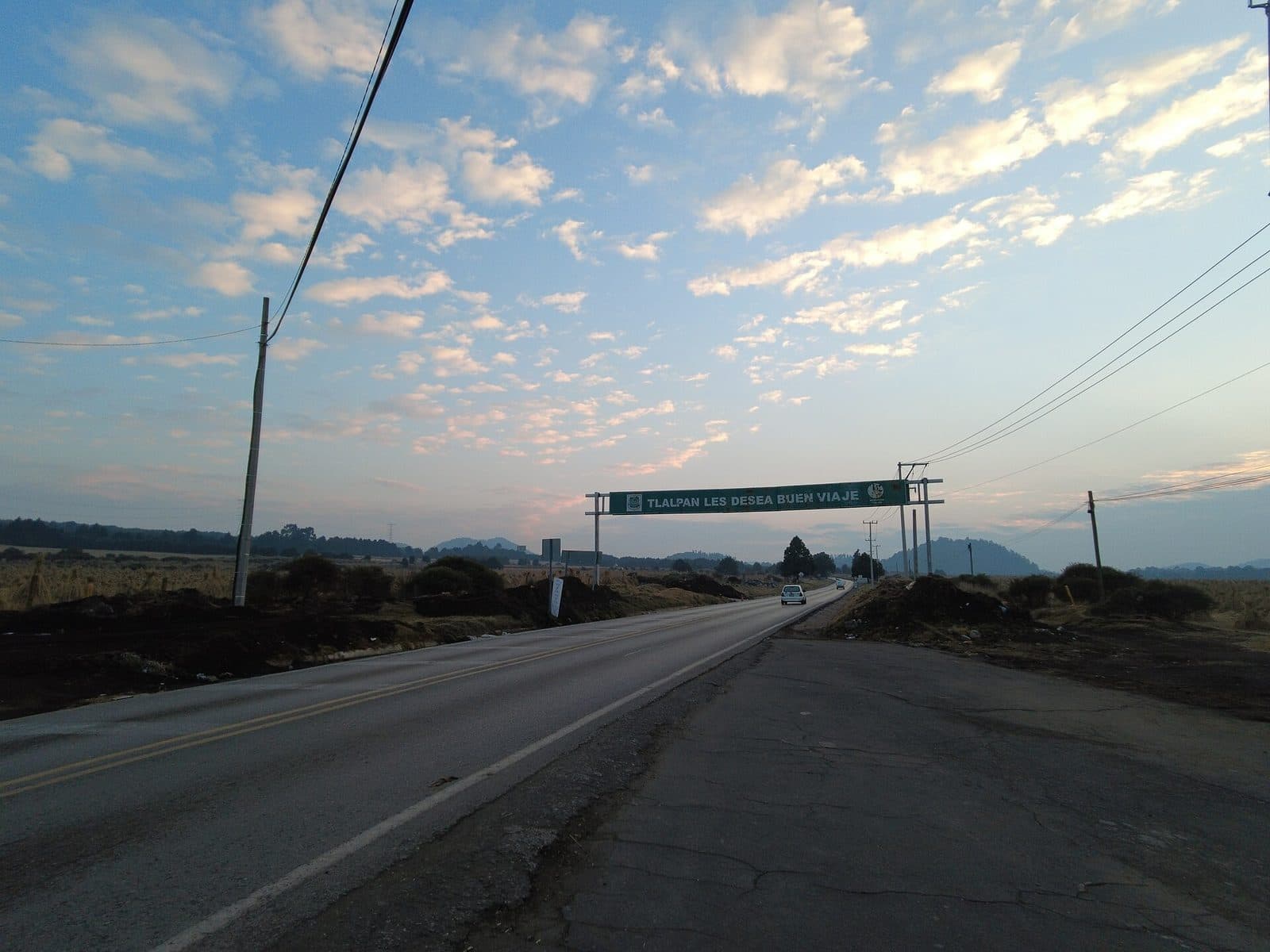
Some pothole stories are about one street. Mexico’s Mega Bachetón is about a country trying to catch a highway network before complaints harden into lasting distrust.
In January 2026, President Claudia Sheinbaum announced a National Highway Conservation and Mega Bachetón programme backed by 50 billion pesos — about US$2.86 billion at the exchange rates used in English-language coverage. The plan focuses on roughly 18,000 kilometres of toll-free federal highways, described as just under half of that category of roadway. Officials expected on the order of 100,000 jobs across the year. The work mixes routine maintenance — filling potholes, leveling, clearing vegetation, cleaning drainage — with heavier periodic conservation such as milling and placing new asphalt layers.
Equipment is part of the pitch. Coverage described 31 paving trains and 62 specialized pothole-repair units, with modern trains capable of advancing about a kilometre a day when conditions allow. A digital monitoring system was framed as aiming to detect and repair potholes within 72 hours across a much wider toll-free network measured in the tens of thousands of kilometres. Five operational regions carve up corridors from the Pacific northwest to the Yucatán, hitting routes that move freight, tourism, and everyday travel.
By mid-August 2026, the Secretaría de Infraestructura, Comunicaciones y Transportes (SICT) was publishing progress numbers that show the programme is more than a launch-day slogan. Infobae reported SICT figures of 45,492 potholes repaired, work touching 58,542 kilometres of highways year-to-date, and a workforce on the order of 17,500 people across hundreds of crews and thousands of machines. Routine conservation and major surface interventions were both counted, including millions of square metres of pavement treated and large tonnages of asphalt mix placed. Exact tallies will keep moving through December 2026, when the programme year closes — but the direction is clear: Mexico is treating highway conservation as a national operations problem, not a scatter of local patches.
Context matters. Mexico co-hosted the 2026 FIFA World Cup this summer with the United States and Canada. Visitors and domestic fans moved between host cities on the same federal corridors that haul commerce every other week of the year. Smooth, predictable pavement isn’t only comfort. It’s logistics, safety, and first impressions.
Even a programme this large leaves a familiar gap. Paving trains transform segments. Monitoring systems shorten response times. Neither eliminates the need for quality spot repairs on the kilometres that haven’t been milled yet — or on the defects that open after a storm between scheduled visits. Drainage that isn’t cleaned, edges that aren’t sealed, and utility cuts that aren’t reinstated carefully will keep manufacturing new holes. National ambition still depends on local workmanship.
That’s true for agencies outside Mexico, too. Whether you run a state DOT, a municipal yard, or a contractor fleet supporting industrial parks, the lesson travels: capital surfacing and rapid, engineered fills are complementary, not competing philosophies. You need both.
EZ STREET® Ambient® Asphalt fits the rapid-response side of that toolkit. It’s a ready-to-use, technology-engineered asphalt for potholes and related pavement repairs, offered in bags and by the ton. When the pavement is properly prepared and compacted, placement doesn’t require on-site mixing or heating. Public product information highlights bonding to asphalt, concrete, and itself; performance in wet conditions; immediate return to traffic; stockpileability; and thermally resilient behaviour across temperature changes. For crews that must stay ahead of a defect list measured in the thousands, stockable, performance-proven material is how you keep the monitoring promise honest.
When a country spends tens of billions of pesos to restore highway reliability, every fill that fails early wastes part of that public investment. Materials that aim to endure under traffic protect the larger strategy.
If your region is watching Mexico’s Mega Bachetón from afar, borrow the useful pieces: clear targets, mixed techniques, drainage as prevention, and fast close-out of open hazards. Then look at your own yards and private sites. You may not have 31 paving trains. You can still refuse to leave a dangerous hole open until the next capital window. Report defects. Restore trenches properly. And when you place a repair, choose an engineered option built for real weather and real loads — the kind of work that lets a big programme’s promises survive the next rainy season.
Source notes: Mexico News Daily (Jan 2026); Infobae / SICT mid-year progress (Aug 2026); ezstreetasphalt.com/what-is-ez-street
Cover photo: ProtoplasmaKid, CC BY 4.0.