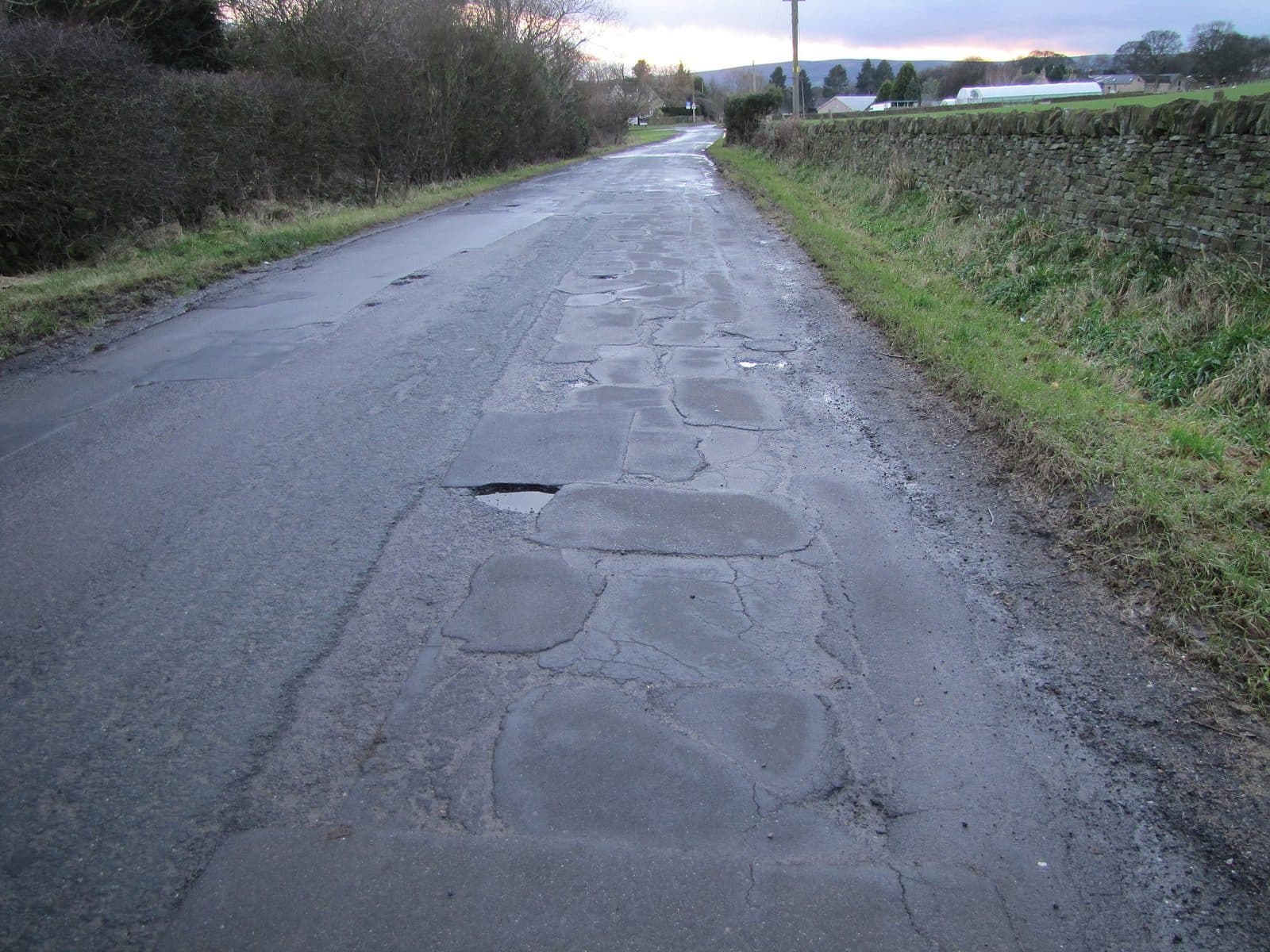
Ask almost any mayor what they heard on the doorstep, and roads climb the list fast. In Greater Manchester, the new mayor didn’t wait long to answer.
On 3 September 2026, Bev Craig unveiled a £60 million pothole repair programme spanning all 10 boroughs. Transport for Greater Manchester said the allocation should cover repair and maintenance of more than a million square metres of road and pavement — on the order of 125 kilometres of network when you stretch the figure out. The cash comes from existing regional transport budgets, following national uplifts for highway maintenance, and it’s meant to hit both urgent defects and preventative resurfacing so today’s bumps don’t become tomorrow’s craters.
The split is formula-driven: more road length, more money. Published borough figures include roughly £8.16 million for Manchester, £8.24 million for Wigan, £6.82 million for Stockport, £6.55 million for Bolton, and smaller but still substantial pots for Bury, Oldham, Rochdale, Salford, Tameside, and Trafford. Craig’s message was blunt in a useful way. About 2.5 billion journeys move across Greater Manchester’s roads each year. People complained. The fund is designed to get money “out of the door quickly.”
That urgency is understandable. A garage owner in Eccles told BBC reporters that pothole-damaged vehicles show up nearly every day — tyres, alignment, suspension. From a shop’s perspective, broken roads are business. From a household’s perspective, they’re another bill in a high-cost year. Smooth surfaces put money back in people’s pockets by not destroying it in the first place.
Still, funding announcements always invite a second question: will the repairs stick? Rod Dennis of the RAC welcomed investment but argued that Britain’s “pothole woes” need guaranteed long-term funding over many years — and an end to the “patch and dash” approach some councils have relied on. He’s pointing at a pattern drivers know too well. A hole gets filled. Rain returns. Traffic returns. The same spot fails again before the financial year is over.
Preventative resurfacing in the Greater Manchester package is the right counterweight. Surface that still has life left shouldn’t be left to unravel into a field of defects. But even well-funded programmes leave gaps: utility trenches, isolated failures on otherwise sound streets, estate roads that miss the capital schedule, private accesses that sit outside the borough list. Those sites need reactive repairs that behave like engineered pavement, not like a short-term plug.
That’s where material selection becomes part of the public-value story. EZ STREET® Ambient® Asphalt is a ready-to-use, technology-engineered repair mix for potholes and related pavement work. Bags suit smaller defects; tonnage covers larger programmes. When the hole is properly prepared and compacted, crews can place Ambient® without on-site mixing or heating. It’s formulated to bond to asphalt, concrete, and itself; to work in wet conditions; to take traffic right away; and to remain thermally stable enough to stockpile and deploy across shifting seasons.
Using Ambient® doesn’t mean a borough ignores resurfacing. It means the money Craig unlocked can buy fewer return visits between capital schemes. For contractors working across multiple authorities, stockpileable, performance-proven material also reduces the scramble that happens when plant windows close or a sudden wet spell opens a cluster of defects overnight.
Greater Manchester’s £60 million won’t rebuild every street. No single fund does. What it can do is change the pace of response and the quality of the interim work that keeps people safe while longer schemes roll out. Drivers will judge the programme the only way that matters: by whether the same crater greets them next month.
If your city just announced a similar package, celebrate the budget — then audit the toolkit. Pair preventative surfacing with reactive fills that are built to endure. Report defects early. And when a crew has one shot at a busy corridor, give them an engineered option worth the lane closure.
Source notes: BBC News / The Manc (3 Sep 2026); ezstreetasphalt.com/what-is-ez-street
Cover photo: Andrew Tryon, CC BY-SA 2.0.