Road surface condition isn’t only about comfort or politics. It’s about whether people get home safely.
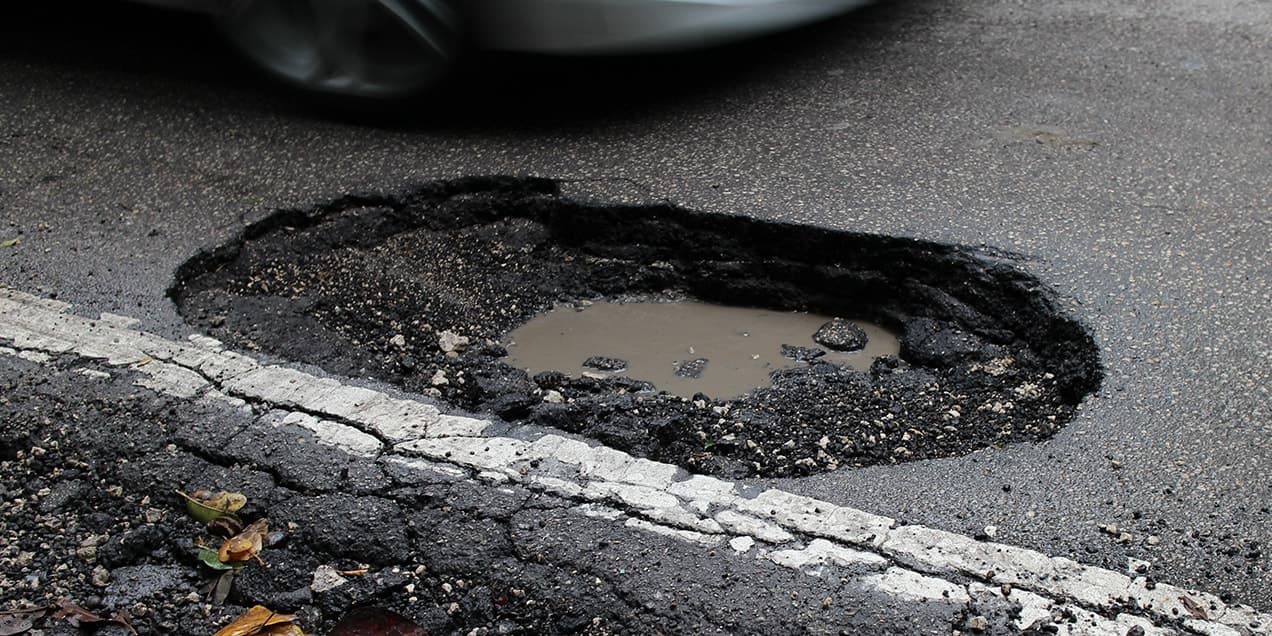
In mid-September 2026, coverage from ABC and other outlets reported that Ballarat motorcyclist Peter “Tiki” Mason, 71, died after a weekend crash on the Western Highway near Trawalla Road. Police said emergency services responded to reports that a motorcycle had struck a pothole and lost control. The investigation into the exact cause continued. Friends and local advocates spoke with grief and urgency about highway condition. Victoria’s broader roads debate — already sharp ahead of elections — intensified.
This post won’t dwell on the crash details. Those belong to investigators and to the people mourning Mr. Mason. What belongs in a maintenance conversation is the policy lesson many communities already know: deteriorating pavements raise risk for everyone who shares the road, especially riders.
Infrastructure neglect has a human face
Advocacy groups such as the Western Highway Action Committee had warned for years about that corridor. An auditor-general report tabled in parliament around the same period found that almost half of Victoria’s state-managed roads were in poor condition. Political leaders on different sides promised more repairs and more funding. Premier Ben Carroll spoke of doubling potholes fixed and said the buck stops with government on maintenance. Opposition voices called for urgent, proper fixes so road condition doesn’t keep endangering country Victorians.
Those are political statements. Underneath them is a practical maintenance truth: reactive, late-stage patching on a worn network costs more and protects less than steady, proactive programmes.
What “proactive” looks like for agencies
Proactive doesn’t mean promising zero holes. Networks age. Weather bites. Heavy vehicles concentrate stress in wheel paths. Proactive means:
- Finding defects early before they become deep, edge-breaking hazards.
- Closing small failures quickly with materials that bond and endure.
- Scheduling resurfacing where the foundation still has life — and reconstructing where it doesn’t.
- Tracking callbacks so weak methods don’t quietly burn the budget.
For motorcyclists and other vulnerable road users, shallow “survivable” defects for a car can still be destabilising. Surface integrity is a safety feature, not a nicety.
A global toolkit for enduring repairs
Agencies worldwide are under the same pressure: big networks, tight crews, and weather that doesn’t pause for procurement cycles. Performance-proven materials belong in that toolkit alongside funding reform and better inspection.
EZ STREET® Ambient® asphalt is one option designed for rapid, enduring fills. It’s ready-to-use ambient asphalt technology for highways, driveways, and edge or surface repairs. It works in wet conditions, bonds to asphalt and concrete (and to itself), and is instantly ready for traffic — throw-and-go without mixing or a separate bonding agent. Thermally resilient across temperature swings, it can be stockpiled for months without degradation. Bags support small or urgent touch-ups; tonnage supports larger programmes.
Softly put: no material replaces the need for adequate maintenance budgets or honest network condition reporting. Engineered ambient asphalt can, however, help crews act faster when defects are found — and help those repairs last longer once placed.
Respect, then action
The respectful response to a tragedy linked to road condition is twofold. First, give space to grieving families and to the facts as investigators establish them. Second, treat pavement condition as the public-safety issue it is.
Victoria’s debate will continue through funding announcements and campaign seasons. Other jurisdictions watching from outside Australia can take a quieter lesson: don’t wait for a headline to justify a stronger repair programme. Inspect, intervene early, choose enduring materials, and measure success by smoother, safer kilometres — for cars, trucks, and riders alike.
Pothole.info exists because surface defects are a shared global problem. The fix starts with care for the people who use the road, and continues with maintenance choices that hold up under real traffic.
Source notes: ABC News / The Guardian — Western Highway near Trawalla, Victoria roads debate (Sep 14, 2026); ezstreetasphalt.com/what-is-ez-street Cover photo: Oregon Department of Transportation, CC BY 2.0.