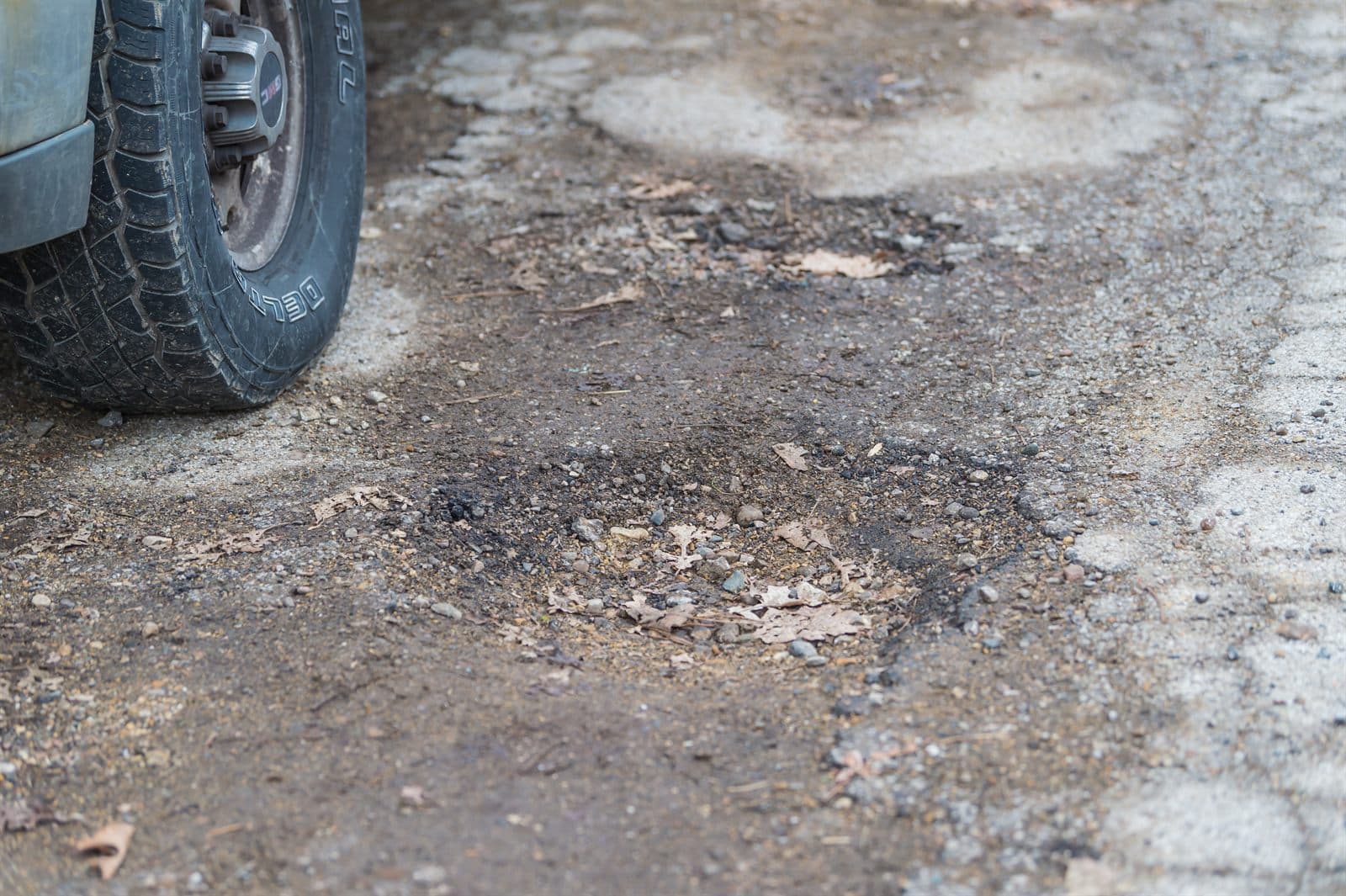
When a single hole sits untreated, the bill doesn’t stay on the pavement. It spreads to tires, rims, undercarriages — and eventually to insurance claims and public budgets.
In early September 2026, Rhode Island State Police reported a large pothole on Route 99 in Lincoln that damaged around 10 to 12 vehicles. Drivers hit tire and undercarriage trouble just north of Sayles Hill. The Rhode Island Department of Transportation planned an overnight fill, with more paving to follow on that stretch.
That’s a familiar pattern for anyone who works roads or drives them. One crater. Many cars. A scramble to close the gap before the next shift of traffic turns a maintenance issue into a cascade of private losses.
How one untreated hole multiplies costs
Think of a pothole as a small factory for damage. Every vehicle that strikes it can leave with a flat, a bent rim, or worse undercarriage harm. Multiply that by a busy corridor overnight, and you’ve got a stack of repair invoices that never show up on a DOT spreadsheet — but they still hit households and fleets hard.
Agencies feel it too. Emergency callouts, temporary traffic control, overnight crews, and follow-up paving all cost more than a planned, proactive fill. Taxpayers fund both the rush repair and, indirectly, the broader friction of claims culture around rough roads.
The Lincoln episode is a reminder: speed of response matters as much as quality of material. A hole that sits becomes a magnet. A hole that’s sealed quickly, with a repair that holds, stops the damage chain.
What “fast” should mean for crews
Fast isn’t just “get something in the hole.” Fast means the surface can take traffic again without a long bake time or a second visit that reopens the lane. It means bonding that sticks to the existing pavement so the patch doesn’t ravel out under the next rain or temperature swing.
That’s where material choice quietly decides whether an overnight fill is a lasting fix or a short pause before the next complaint.
EZ STREET® Ambient® asphalt is built for exactly those pressure moments. It’s a ready-to-use, performance-proven ambient asphalt technology that crews can place without mixing or a separate tack coat. It bonds well to asphalt, concrete, and itself. It works in wet conditions. And it’s instantly ready for traffic — a true throw-and-go approach that helps agencies respond before the damage count climbs.
For highways and edge repairs, that combination of speed and endurance is practical, not flashy. Stockpile it for months without degradation. Use bags for smaller touch-ups or tonnage for larger jobs. Thermally resilient across varying temperatures, it’s engineered for the kind of real-world windows crews actually get: night shifts, damp pavement, and the need to open a lane before morning peak.
Why taxpayers should care about repair quality
Every time a temporary-feeling fill fails early, the public pays twice: once for the first crew visit, again for the callback. Enduring repairs stretch maintenance dollars further. They also cut the soft costs — fewer claim letters, fewer angry calls, fewer “why is this still open?” headlines.
Lincoln’s overnight plan was the right instinct: get in, fill it, then pave more as needed. The lesson for other DOTs is to pair that urgency with materials that don’t need perfect weather or long cure windows to perform.
A simple playbook for fewer multi-vehicle hits
- Watch the corridors that collect water and bounce. Edge failures and wheel-path holes grow fast once traffic finds them.
- Stock materials that stay workable. If your crew can pull from a stockpile and go, response time shrinks.
- Prioritize traffic-ready fills. The longer a lane stays soft or closed, the more diversion and delay you create.
- Measure success by callbacks, not just tons placed. An enduring patch is cheaper over a season than three revisits.
Potholes will keep forming. Freeze-thaw, heavy loads, and aging bases don’t take days off. What agencies can control is how quickly they answer — and whether the answer holds.
When nearly a dozen vehicles can be hurt by one hole on a Rhode Island state route, the case for rapid, enduring ambient asphalt repairs writes itself. Tools like EZ STREET Ambient help crews close that gap before the next driver becomes another damage report.
Drivers shouldn’t have to budget for undercarriage surprises. With faster response and smarter materials, fewer of them will.
Source notes: WJAR / Turn to 10 — Route 99 Lincoln damage (Sep 1, 2026); ezstreetasphalt.com/what-is-ez-street Cover photo: State Farm, CC BY 2.0.