You don’t need a press conference to know when a city’s streets are fighting back. You feel it in the steering wheel. You hear it in the rim. You see it in the orange cones that seem to multiply after every hard winter.
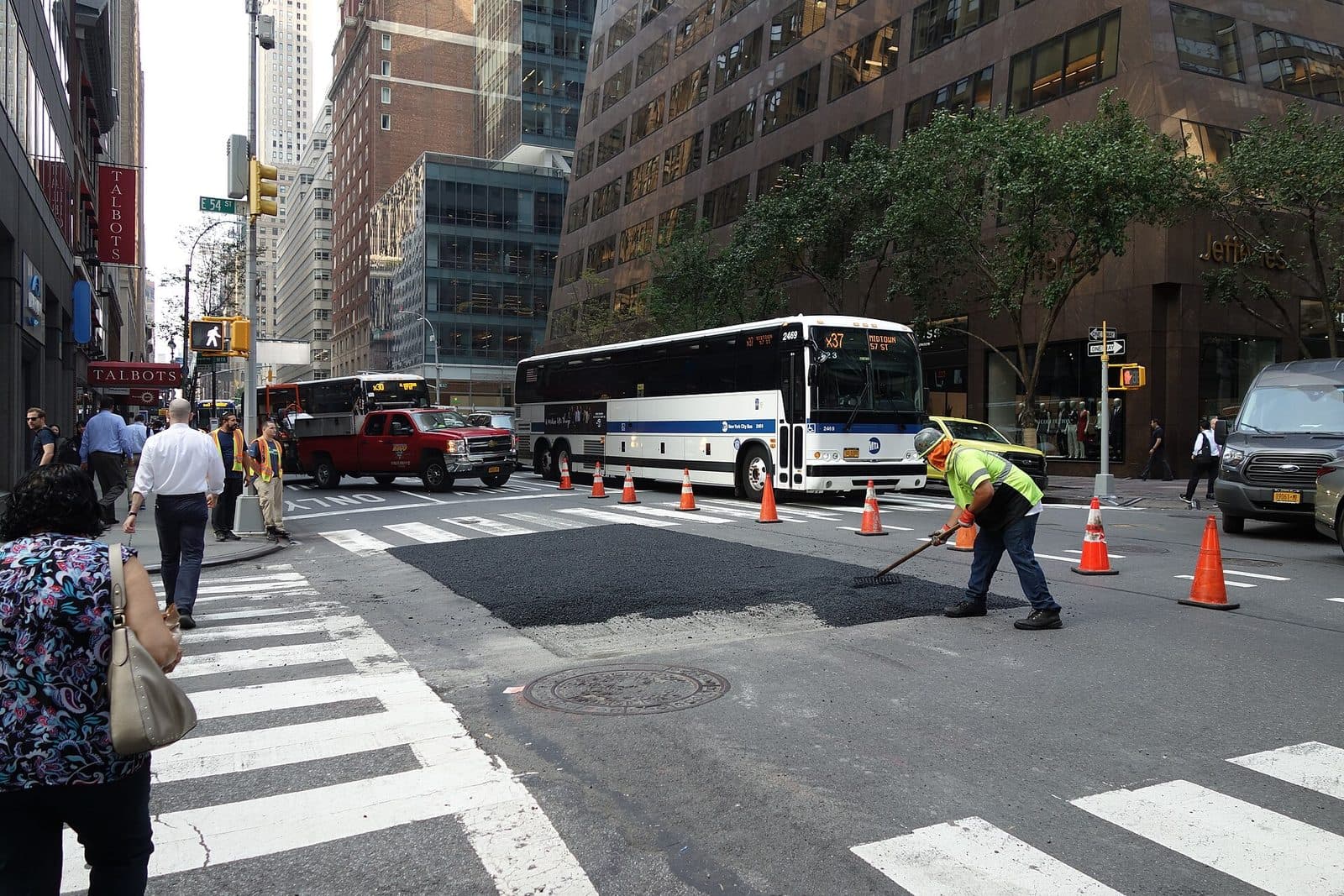
On 17 September 2026, New York City turned that daily grind into a milestone. Mayor Zohran Kwame Mamdani joined Department of Transportation crews — and a 311 worker who fields the complaints that start the whole chain — to fill the city’s 200,000th pothole of the year on Troutman Street in Bushwick. The mayor’s office framed the moment as proof that “little things” still signal whether government is delivering: catch basins that drain, playgrounds that work, and roads that don’t punish every commute.
The numbers behind the photo op are what matter for pavement people. NYC DOT says roadway crews still average about 3,000 pothole repairs a week. Earlier in the spring, the city had already marked its 100,000th fill of the year on Staten Island — described as the highest first-100-days total in more than a decade. That pace only makes sense after a brutal winter. Freeze-thaw opens cracks. Water works in. Traffic finishes the job. Then the phones light up.
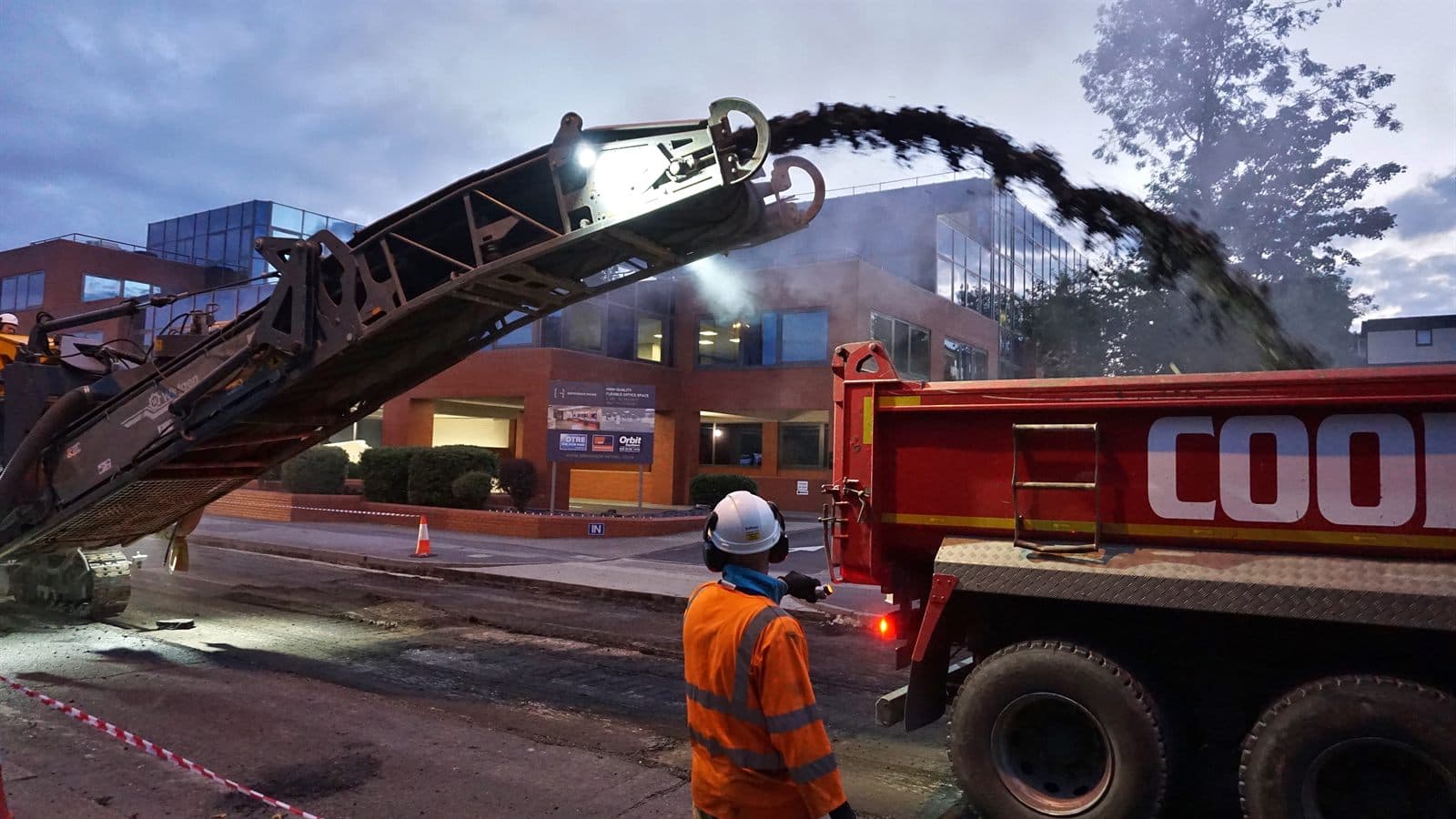
Here’s the part that deserves more attention than the anniversary fill itself: while crews chase defects, milling and repaving teams are also racing through the warm months. Officials say the city has already paved about 757 lane miles in 2026 — roughly the distance from New York to Nashville. City leaders keep repeating a simple hierarchy. Filling potholes keeps people moving today. Fresh pavement is still the most effective way to stop next winter’s crater from forming in the first place.
That pairing — reactive repair plus capital resurfacing — is the real story for agencies and private managers everywhere, not just the five boroughs. A high fill count can mean a city is responsive. It can also mean the network is producing defects faster than capital work can erase them. Both can be true at once. The constructive response isn’t to mock the milestone. It’s to ask whether every fill is engineered to last through the next storm cycle, and whether the streets that keep failing are queued for real surface work.
New Yorkers are encouraged to report problems through 311 — calls, app, web, and more — because a city this size can’t rely on drive-by spotting alone. The same logic applies on a smaller campus, industrial park, or HOA lot. If you wait until a defect swallows a suspension, you’ve already paid more than a timely repair would have cost.
For sites that can’t wait on a full mill-and-overlay window, material choice still decides whether a repair is a pause or a solution. EZ STREET® Ambient® Asphalt is a ready-to-use, performance-proven mix designed for potholes and related pavement repairs. It’s available in bags for smaller jobs and by the ton for larger ones. Crews can place it without on-site mixing or heating when the pavement is properly prepared and compacted. Public product guidance highlights bonding to asphalt, concrete, and itself; workability in wet conditions; instant traffic readiness; stockpileability; and thermally resilient performance across temperature swings.
None of that replaces a city’s 757-lane-mile paving program. Ambient® isn’t a substitute for structural reconstruction when a base has failed. What it can do — for municipal contractors between plant runs, for facility teams after utility work, for property managers who can’t close a lot for a week — is close the gap between “reported today” and “open to traffic now” with an engineered fill that aims to endure rather than wash out on the next wet week.
If your region just celebrated a big repair number, treat it as a progress check, not a finish line. Keep reporting defects early. Keep funding the resurfacing that prevents them. And when you do need a spot repair that has to perform under real traffic and real weather, look for materials built for that job — not a temporary scoop that invites a second visit.
New York’s 200,000th fill is a reminder that pavement work is never finished. It’s a practice. The cities that win on it combine volume, visibility, and materials that don’t make crews come back for the same hole twice.
Source notes: NYC Mayor’s Office / NY1 (17 Sep 2026); ezstreetasphalt.com/what-is-ez-street
Cover photo: Tdorante10, CC BY-SA 4.0.